Green Energy Meets IPTV: A Sustainable Streaming Guide for New Mexico Households
New Mexico is synonymous with sunshine, open landscapes, and a fast-growing renewable energy sector. Homeowners across the state are investing in solar panels, battery storage, and energy-efficient appliances to shrink their carbon footprint. Yet one major energy drain often goes unnoticed: the way we watch television.
Traditional cable boxes, satellite dishes, and always-on DVRs consume far more electricity than most people realize. That is where IPTV (Internet Protocol Television) enters the picture. By streaming live TV and on-demand content over the internet, IPTV slashes hardware requirements, reduces standby power, and pairs beautifully with a solar-powered home. For eco-conscious New Mexicans, it is the natural next step in sustainable living—and it happens to deliver a far better viewing experience, too.
In this guide, we explore how IPTV works, why it fits the green energy lifestyle, and how sports fans in particular can enjoy premium coverage without the waste. If you are ready to modernize your home entertainment, checking out a reliable IPTV provider is a smart place to start.
What Is IPTV and How Does It Transform the Television Experience?
IPTV stands for Internet Protocol Television. Instead of relying on a coax cable feed or a satellite dish, IPTV delivers channels through your existing internet connection. Think of it as streaming services like Netflix or YouTube, but with full access to live TV, sports, and international channels.
Here is why the technology is fundamentally different from legacy TV:
- No dedicated hardware: A smart TV, streaming stick, or even a tablet can act as your receiver, eliminating energy-hungry cable boxes.
- On-demand efficiency: Content is delivered only when requested, rather than broadcast continuously to every home.
- Scalable quality: Providers adjust resolution to your bandwidth, so you never waste data (or power) on unnecessarily high bitrates.
- Global reach: Expats and multilingual households can access channels from virtually anywhere in the world.
For a state that leads the nation in solar generation, IPTV offers a cleaner way to power your evening entertainment—one that works seamlessly with the renewable energy already feeding your home.
How IPTV Enhances Your Green Energy Lifestyle in New Mexico
The average American household devotes a surprising portion of its electricity bill to entertainment devices. Set-top boxes, gaming consoles, and older TVs draw power around the clock, even when nobody is watching. IPTV reshapes that equation in several meaningful ways.
Fewer Devices, Lower Consumption
By consolidating your live TV into a single app on a smart TV or low-power streaming stick, you remove redundant boxes and cables. Less hardware means less standby drain—and a tidier living room.
A Perfect Pair with Solar
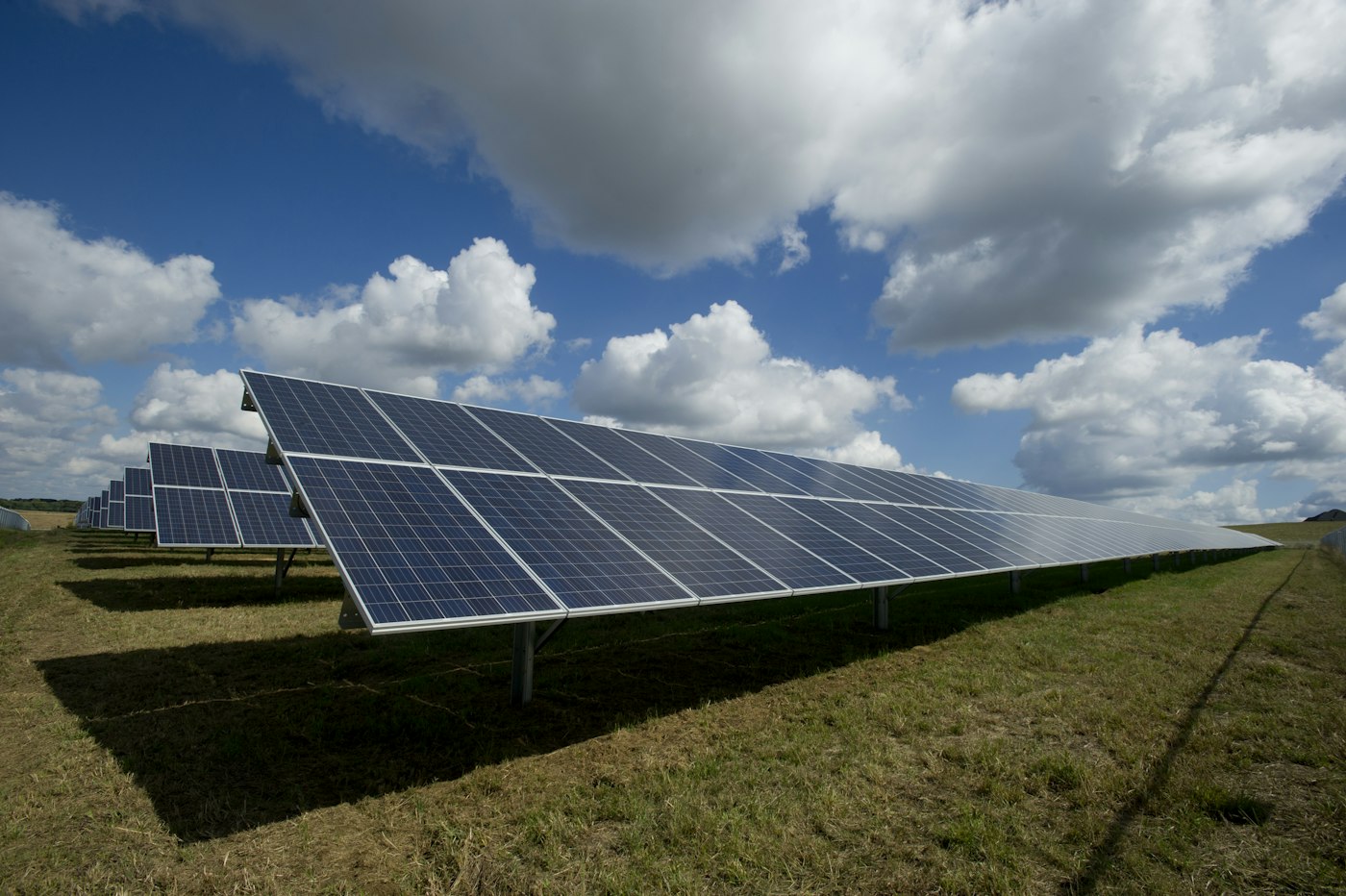
New Mexicans increasingly run their homes on solar plus battery storage. IPTV consumption can be scheduled or shifted to daylight hours, when your panels are producing at peak capacity. Combined with a smart home energy monitor, you can literally watch your streaming footprint shrink.
Access to International Sports and Culture
Beyond efficiency, IPTV unlocks worlds of content. Whether you follow football, Formula 1, or documentary channels from abroad, a quality service delivers them without the environmental baggage of satellite infrastructure. Fans who want smooth live sports streaming consistently praise IPTV for its stability, and enthusiasts looking for football streaming find that the flexibility far outperforms traditional cable packages.
Deep Dive: The IPTV Landscape in Portugal
To understand where IPTV is heading, it helps to look at Portugal—one of Europe's most connected markets and a strong benchmark for what is coming to North America.
Portugal has invested heavily in fiber-to-the-home infrastructure, with nationwide coverage exceeding 90% in urban areas. That backbone supports high-bitrate, 4K-ready streams without buffering. Local providers offer hundreds of channels, from domestic networks to international sports packages, and pricing is famously competitive compared with traditional cable.
Legally, Portugal has a clear framework: licensed operators must respect copyright and broadcast rights, while unlicensed services face enforcement. This mature market is why platforms serving IPTV services for 2026 increasingly emphasize transparent licensing and reliable uptime over vague promises.
For New Mexico viewers, Portugal's model offers a preview: fiber, choice, and fair pricing are the future of television—everywhere.
Why Sports Fans Choose Premium IPTV for Live Action

Sports is where IPTV truly shines—and where a premium provider becomes essential. Whether it is a Saturday football marathon, the intensity of the Champions League, or the precision of Formula 1, the difference between a great service and a frustrating one comes down to infrastructure.
The service available through iptv Portugal is specifically optimized for live sports. Coverage includes major football leagues, Ligue 1, the Champions League, motor racing, and premium sports channels such as Bein Sports. Key characteristics include:
- Ultra-low latency: Streams stay in sync with real-time action, so you never hear about a goal before you see it.
- 4K and FHD quality: Crystal-clear picture across smartphones, tablets, smart TVs, and large displays.
- No buffering under normal conditions: Redundant servers and load balancing keep the feed stable during peak fixtures.
- Multi-device flexibility: Watch on the go, at home, or on a second screen without extra hardware.
Combined with a solar-powered home and a modern router, this level of performance turns your living room into a virtual stadium—without the cable box humming in the corner.
Essential Hardware and Setup Guide for New Mexico Households
Getting started with IPTV requires very little. In most cases, the equipment you already own is enough. Here is a practical checklist:
- Stable internet: Aim for at least 25 Mbps for HD and 50 Mbps or more for 4K streaming.
- A modern device: A smart TV, Amazon Fire Stick, Android TV box, Apple TV, or even a laptop works perfectly.
- A low-power router: Newer routers with Wi-Fi 6 efficiency draw less power and offer stronger coverage.
- An IPTV subscription: Choose a provider with transparent licensing, sports-focused channels, and responsive support.
- A digital TV subscription plan that fits your household: Match the number of simultaneous streams to your family's viewing habits.
Once installed, integrate the setup with your home energy dashboard. Because streaming devices use a fraction of the power of a cable box, most New Mexico households notice a modest but real drop in monthly electricity usage.
Legal vs. Illegal IPTV: Safety, Copyright, and Best Practices
As IPTV grows, so does the number of shady operators. Here is how to stay on the right side of the law and protect your devices:
- Choose licensed providers with clear terms of service and official support channels.
- Verify content rights for the sports and entertainment packages you subscribe to.
- Protect your network with strong passwords, updated firmware, and reputable payment methods.
- Avoid suspicious pricing—extremely cheap, "all-channels-ever" offers are usually a red flag.
Legal IPTV delivers peace of mind, better uptime, and customer support you can actually reach. It also aligns with the values of the green energy community: transparency, efficiency, and long-term thinking.
Final Thoughts: A Greener, Smarter Way to Watch TV
New Mexico's commitment to renewable energy and smart living does not have to stop at solar panels and LED bulbs. IPTV offers a modern entertainment solution that is lighter on hardware, easier on the grid, and dramatically better for sports fans who demand reliability.
By choosing a reputable provider, pairing it with efficient devices, and leaning on your solar setup, you can enjoy world-class live TV while keeping your home's carbon footprint small. Whether you are chasing Champions League nights, Formula 1 weekends, or simply a cleaner way to unwind, the future of television is streaming—and it is greener than ever.
FAQ: IPTV for Eco-Conscious Viewers
Is IPTV really more energy-efficient than cable?
Yes. IPTV eliminates dedicated set-top boxes and satellite receivers, which often draw 10–30 watts continuously. Streaming over the internet on modern low-power devices can reduce entertainment-related energy use significantly, especially in solar-powered homes.
Can I watch live sports in 4K with IPTV?
Many premium providers, including sports-optimized services, offer 4K and FHD streams for major leagues, Champions League matches, Formula 1, and premium sports channels like Bein Sports. A stable connection of 50 Mbps or more is recommended.
Does IPTV work in New Mexico and rural areas?
It depends on your internet speed. If you have a reliable connection of at least 25 Mbps, IPTV works throughout New Mexico, including many rural communities served by fixed wireless and fiber providers.
Is IPTV legal?
IPTV technology is completely legal. The key is choosing a licensed provider that respects copyright and broadcast rights. Avoid services that promise thousands of premium channels at implausibly low prices.
What equipment do I need to start?
A smart TV, a streaming stick or box, a stable internet connection, and a legal IPTV subscription. No satellite dish or cable installation is required.
